
Notes
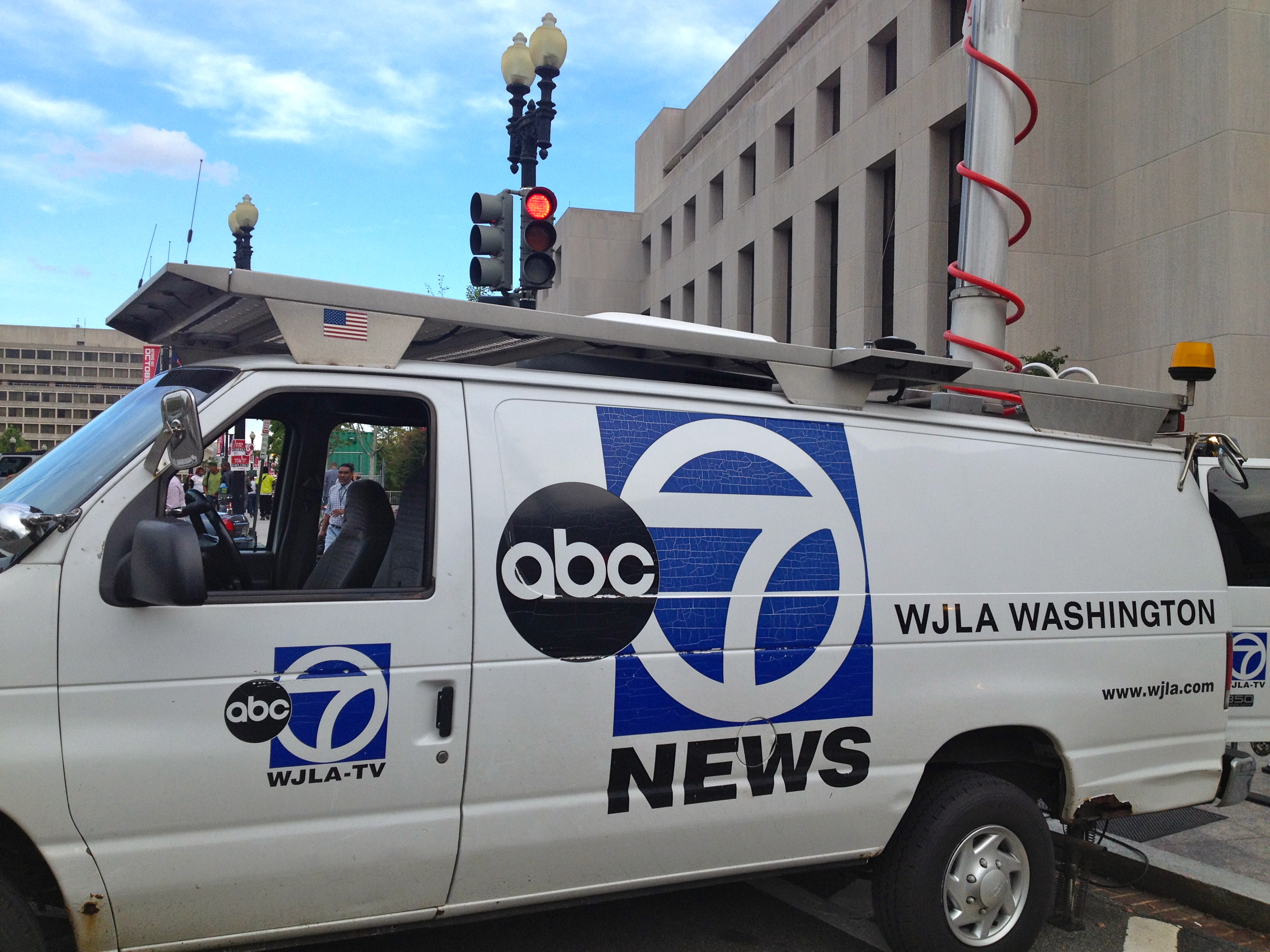
This article is based on America’s Crime Statistics Will Change—Here’s Why. A member of the news media asked for clarification as to the impact on the media profession.
I have 35 years of experience explaining crime statistics to local and national media sources. See my website at Crime in America.Net.
Article
For decades, newsrooms have relied on a familiar foundation for crime reporting: the FBI’s Uniform Crime Reports. Though imperfect, they’ve shaped headlines, political debates, and public understanding of safety in America.
That foundation is about to shift—dramatically through a report from the Iowa State University funded by the Bureau of Justice Statistics (BJS) of the USDOJ.
A new initiative ordered by President Trump directs the Department of Justice and the Bureau of Justice Statistics (BJS) to explore combining the FBI’s reported crime data with the National Crime Victimization Survey (NCVS), a sweeping federal survey that captures both reported and unreported crime.
Alongside a new BJS-funded feasibility study out of the Iowa State University, the effort signals a potential transformation in how the nation measures crime—and how the news media will report it.
The implications for journalism are considerable.
Why This Matters to the News Media
Your city’s or state’s crime rate could rise or fall significantly—not because crime has changed, but because the measurement has. Per the Bureau of Justice Statistics:
• Half of violent crime is not reported to police.
• Only 30% of property crimes are reported.
• In urban areas, just 38% of violent crimes reach law enforcement.
These gaps mean that FBI data, while useful, reflects only a partial picture of crime. That “blind spot”—long understood by criminologists but rarely emphasized in media coverage—is why NCVS provides crime estimates that can contradict FBI trends. In fact:
-
The FBI reported 3–4% declines in violent crime for 2023 and 2024.
-
The NCVS measured a 44% increase in violent crime in 2022, with levels stabilizing but remaining unchanged through 2024.
Under the proposed new model, NCVS—not the FBI—would become the primary data source.
That alone would change the national crime narrative.
What the New Federal Study Says
The BJS-funded study tested a method to combine:
-
NCVS victimization data, which includes unreported crime
-
FBI data, which exists for every state
-
The FBI’s newer, more detailed National Incident-Based Reporting System (NIBRS) data, where available
The researchers used a Bayesian statistical model to generate state-level crime estimates that include both reported and unreported crime, even for states with limited survey samples.
This is not official data—not yet. But it is a strong proof of concept that more accurate state-by-state crime estimates are feasible.
For journalists, the potential is enormous:
A more realistic crime picture
Combined measures could bridge the long-standing disconnect between “crime is down” (FBI) and “victimization is up” (NCVS).
State-level and eventually city-level victimization data
Something the BJS has never been able to reliably produce except for experimental reports.
Clearer trend lines for political and public debates
Journalists could better evaluate claims about crime surges or declines.
A richer understanding of who is victimized
NCVS captures demographics, locations, offender–victim relationships, and context—data that the FBI is trying to provide through its National Incident-Based reporting System.
Why Crime Numbers Could Change—A Lot
If the DOJ ultimately adopts this new approach, local and state crime rates could shift in ways that surprise policymakers and newsrooms.
-
Based on rates, some states may appear far safer than their FBI data suggested.
-
Others may see crime numbers jump—even if their police-reported crime remains low.
-
Major cities could receive NCVS-enhanced estimates, revealing victimization trends hidden in police reports.
Based on rates, this could upend long-held assumptions about “dangerous” or “safe” regions.
Expect friction: these changes will influence political messaging, policing strategies, and how newsrooms frame crime stories.
Why the White House Is Driving This
President Trump’s executive order directs the USDOJ and BJS to examine combining NCVS and FBI data. Project 2025 also endorsed the NCVS as the primary source policymakers have underused for decades.
The aim is simple: build a more accurate national crime picture—one not dependent solely on police reports.
Given the administration’s preference for rapid policy movement, expect new data products sooner rather than later.
Challenges Journalists Must Prepare For
Crime numbers will no longer “match”
When FBI numbers say crime is down, but NCVS says the opposite, which gets the headline? Combined data may reduce contradictions—but for several years, both systems may coexist.
Historical comparisons will get messy
How do you compare new blended numbers to older police-only data?
This could be the biggest methodological challenge newsrooms will face.
Cities and states may resist
A shift that raises crime estimates—even if more accurate—may anger local officials.
Victimization reality vs. police reporting
The media will need to emphasize that low police reports do not mean low crime.
What Newsrooms Should Do Now
Educate editors and reporters
The NCVS is unfamiliar to many journalists. Training is essential.
Prepare for two data systems
Until combined estimates become official, reporters will juggle FBI data, NCVS data, and blended “experimental” numbers.
Develop a style guide for crime reporting
Clarify which data source to use, when, and why.
Explain the shift to audiences early
Readers trust clarity. Trust is down. They don’t like surprises—especially in highly politicized topics like crime.
We Are Entering a New Era of Crime Measurement
For decades, the FBI’s reported crime numbers—an incomplete but consistent system—have shaped headlines.
The NCVS existed in the background, largely unknown to the public and often overlooked by the press.
Now, those two systems are on a bit of a collision course.
If BJS moves forward, the U.S. could have:
-
Combined national, state, and possibly city-metropolitan area crime estimates
-
Data that includes unreported crime
-
More accurate victimization trends
-
Better tools for journalists to evaluate political claims
For the news media, this is not just a methodological tweak.
It is a seismic shift in how America understands crime.
And it will rewrite the crime narrative you report every day.